🚚 Free Worldwide Shipping on All Orders!Shop Now
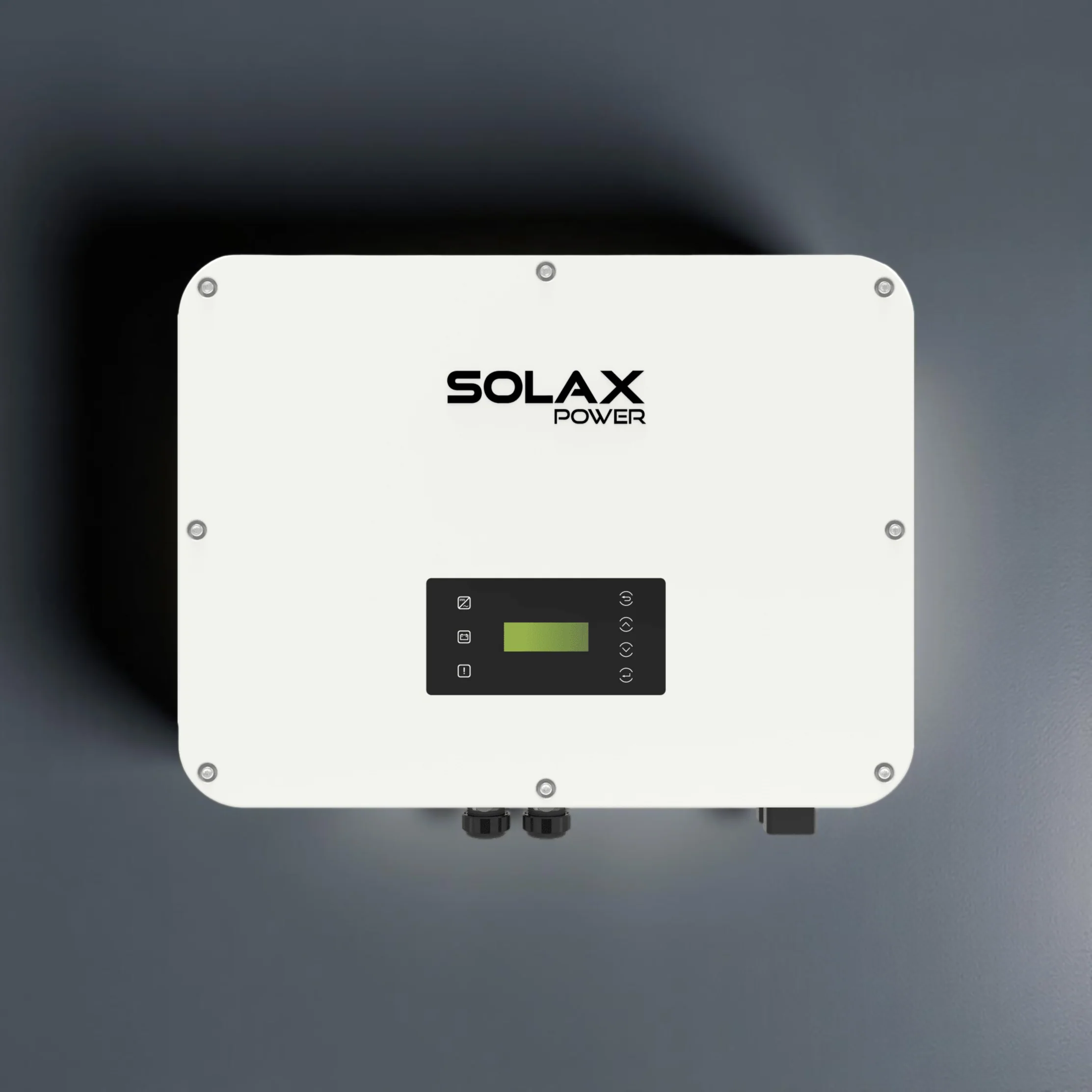
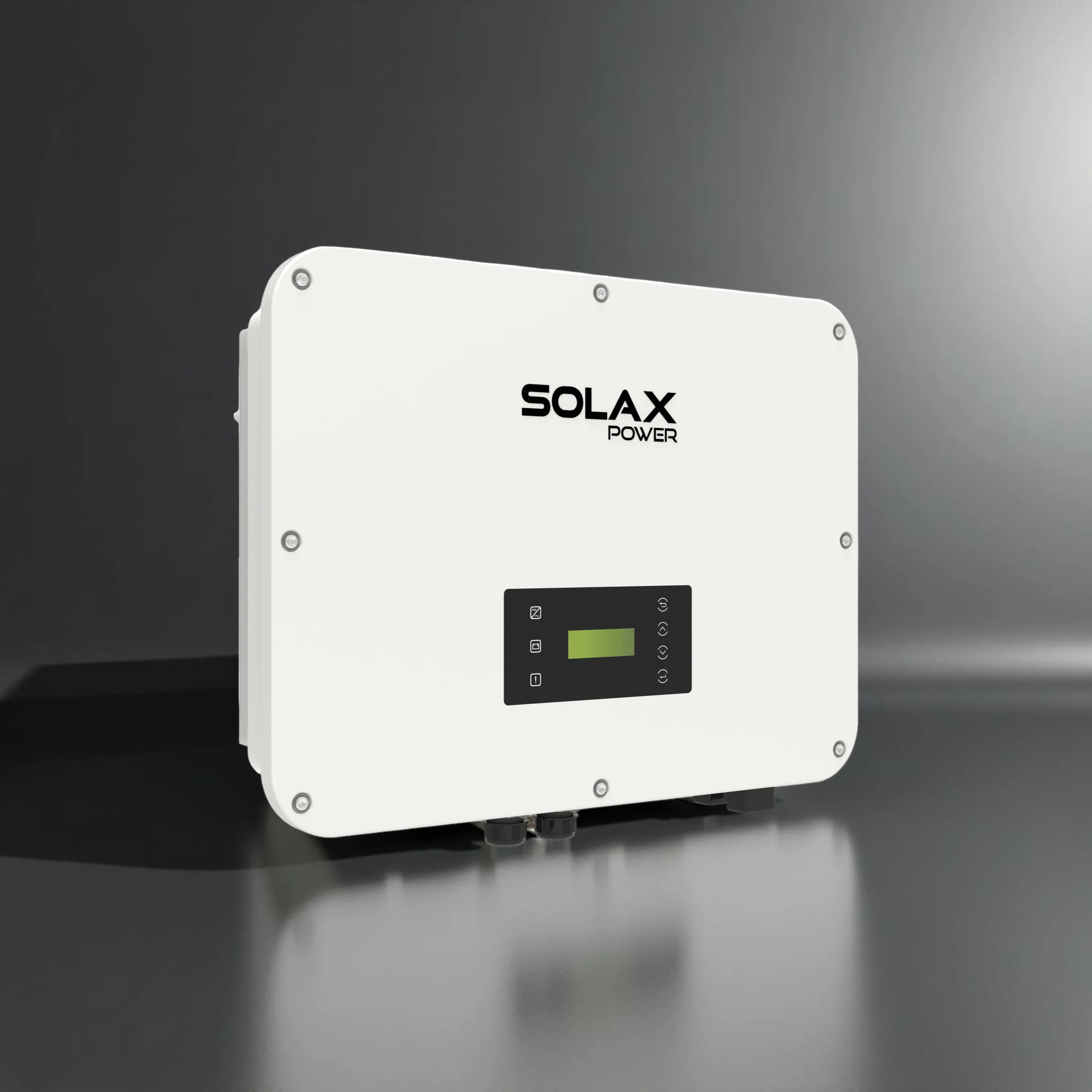
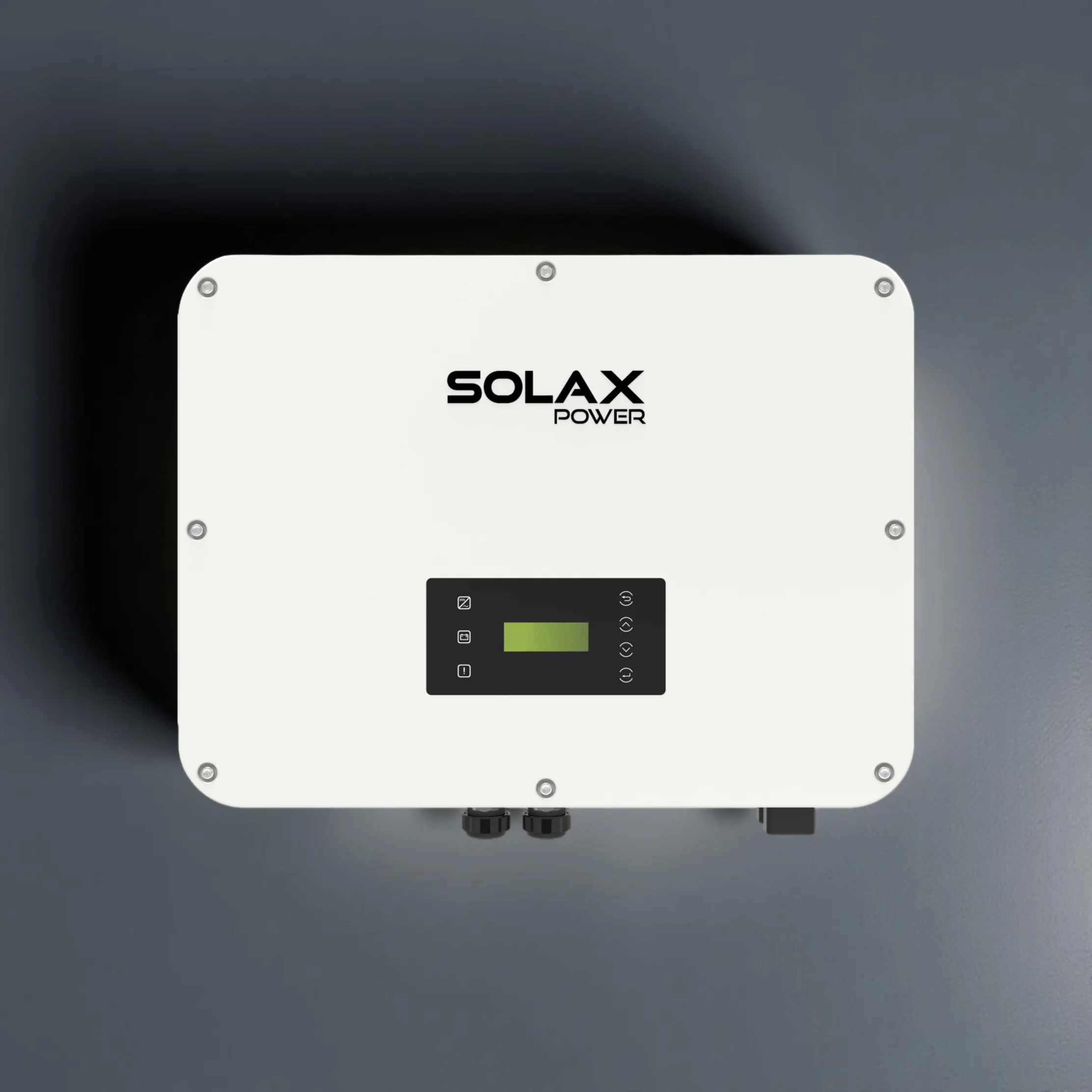
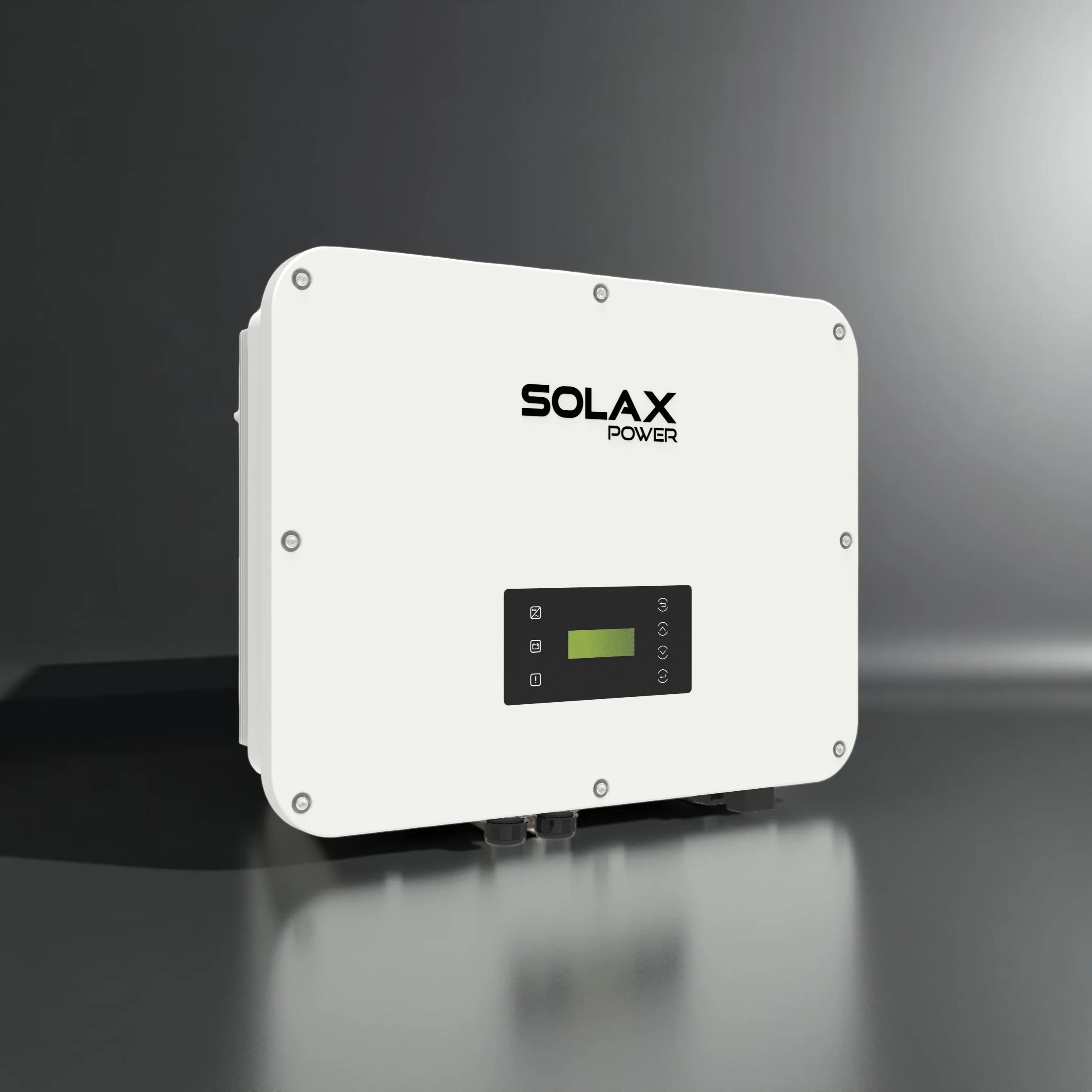
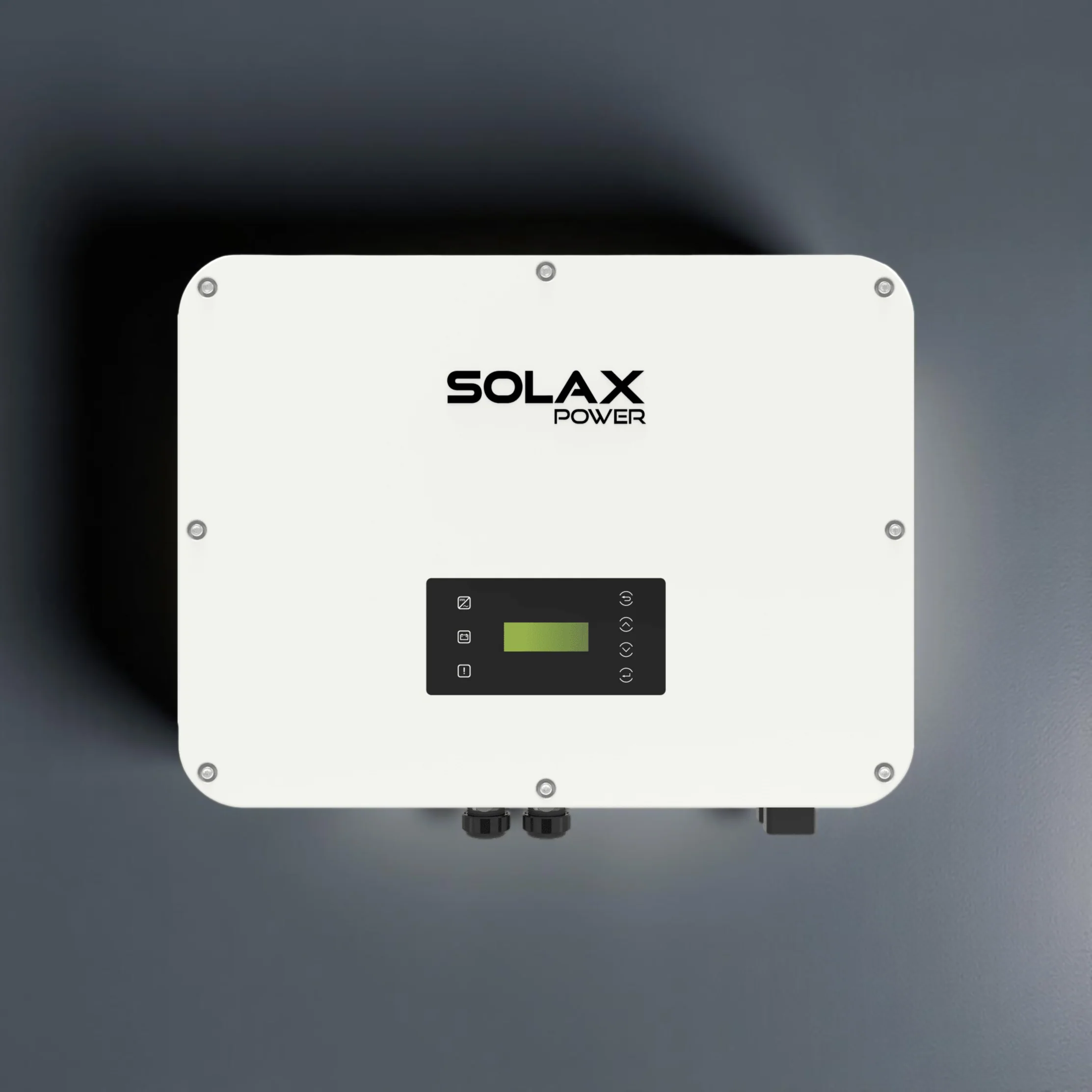
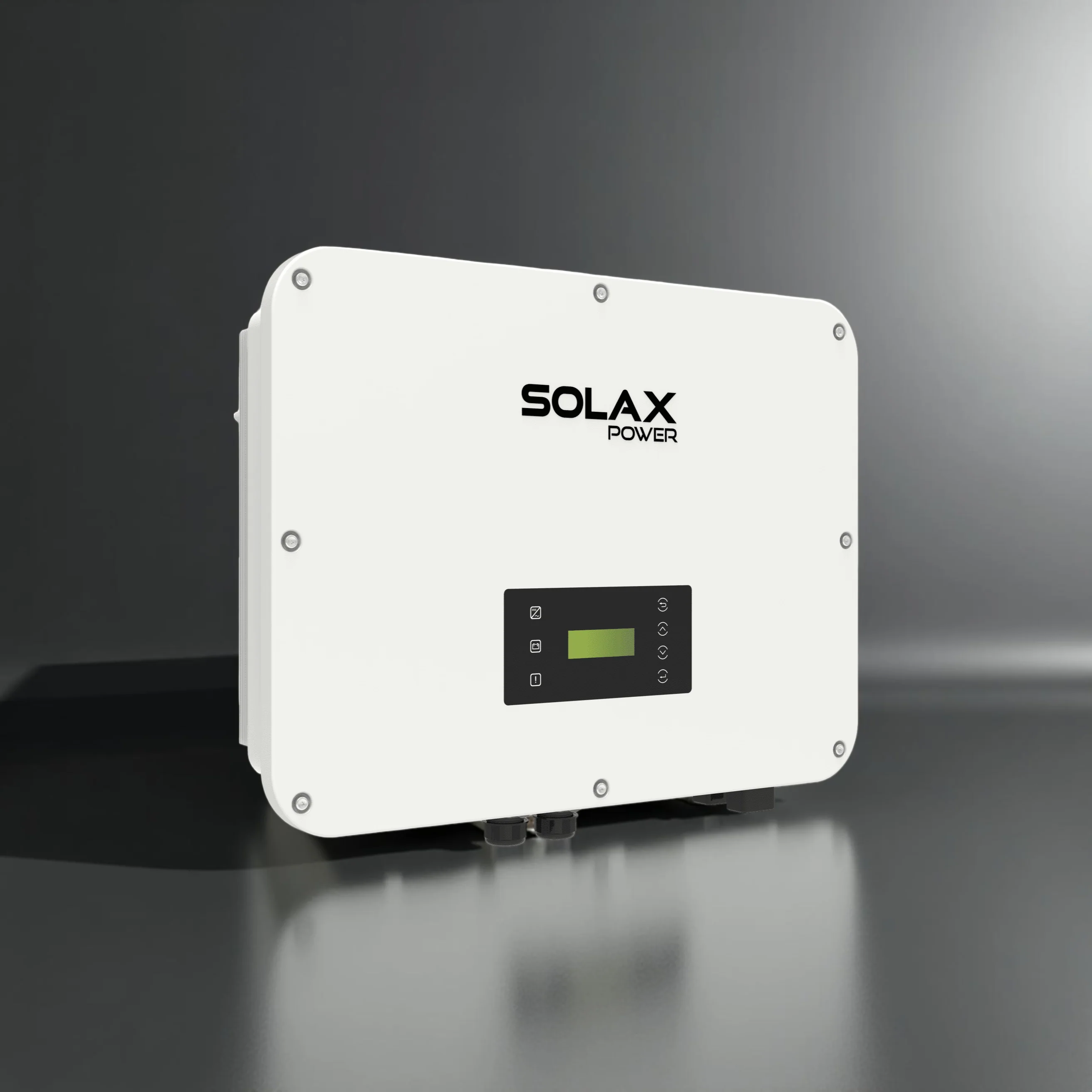
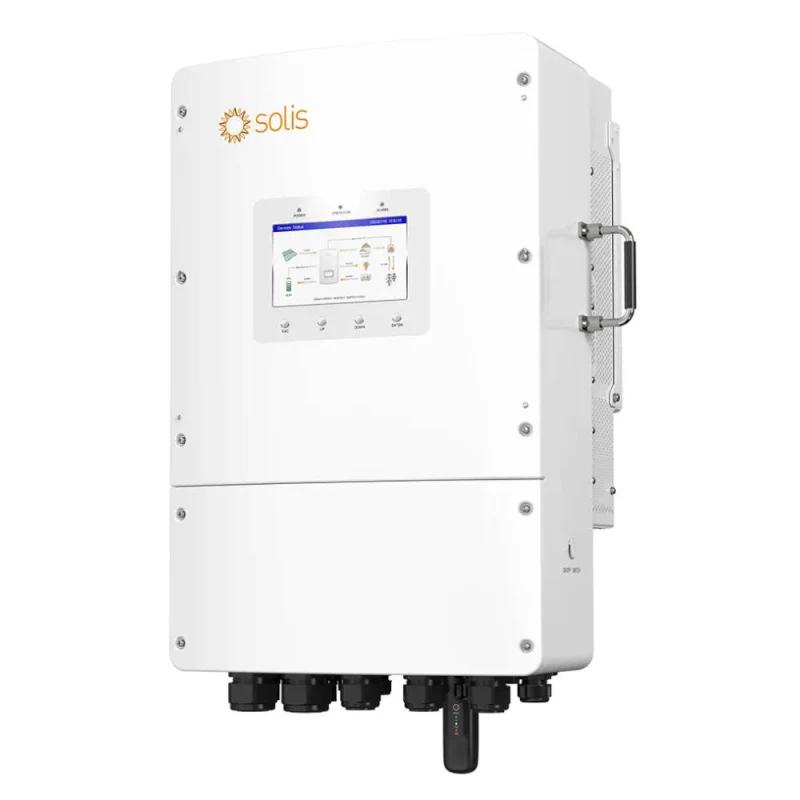
Solis S6 10kW Three Phase Low Voltage Hybrid Inverter S6-EH3P10K-NV-YD-L
The Solis S6-EH3P10K-NV-YD-L is a 10kW three-phase, low-voltage (48V) hybrid inverter from the
Solis S6 energy storage range, designed for large residential and light commercial solar-plus-battery systems.
It pairs 2 MPPTs supporting up to 16kW of usable PV input with a high-current 48V battery
interface (up to 220A charge/discharge), compatible with a wide range of lithium and lead-acid battery brands.
Built-in features include dual backup ports, generator compatibility, sub-10ms backup
switching, and support for unbalanced and half-wave loads on both grid and backup circuits.
10kW
Rated AC Output
16kW
Max PV Input
40–60V
Battery Voltage
220A
Max Charge/Discharge
97.6%
Max Efficiency
<10ms
Backup Switch Time
Qualified Installation Required
This is a mains-connected, three-phase hybrid inverter with high DC battery currents. Installation, wiring and commissioning must be carried out by a qualified, competent electrician in accordance with UK wiring regulations and G98/G99 grid connection requirements.
Low Voltage Battery Platform
This is the 48V (40–60V) low-voltage battery variant of the Solis S6 hybrid range — confirm battery compatibility before ordering, as Solis also offers high-voltage S6 inverters that are not interchangeable with 48V battery banks.
Model Naming Note
The part number SOL-S6-EH3P10K-NV-YD-L-UK corresponds to the manufacturer's S6-EH3P10K02-NV-YD-L model, where 'K02' denotes the 2-MPPT configuration; 'NV' indicates the normal (400V) grid voltage variant and 'YD' indicates the display-equipped version.
Dual Backup Ports
Two independent backup outputs allow critical and non-critical loads to be controlled separately, so essential circuits stay powered during an outage while non-essential loads can be shed automatically.
Generator Compatibility
A dedicated generator input extends backup duration during extended grid outages, recharging the battery or directly supporting loads when solar generation and stored energy aren't enough.
High-Current 48V Battery Interface
Supporting up to 220A of charge/discharge current at 40–60V, the inverter can move a full 10kW to and from the battery quickly, making the most of surplus solar generation before it's exported.
200% Overload for 10 Seconds
Off-grid surge handling of double the rated output for 10 seconds supports the inrush demands of motors, pumps and air conditioning compressors without tripping the inverter.
Unbalanced and Half-Wave Load Support
Both the grid and backup outputs can supply unbalanced three-phase and half-wave loads, giving installers flexibility where a property's circuits aren't evenly distributed across phases.
Sub-10ms Backup Switching
A backup switch time of under 10 milliseconds means most sensitive electronics and control equipment ride through a grid outage transition without interruption or reset.
| Input DC (PV Side) | |
| Max. Usable PV Input Power | 16 kW |
| Max. Input Voltage | 1000 V |
| Rated Voltage | 550 V |
| Start-up Voltage | 160 V |
| MPPT Voltage Range | 200 – 850 V |
| Max. Input Current | 40 A / 40 A |
| Max. Short Circuit Current | 50 A / 50 A |
| MPPT Number / Max. Input Strings | 2 / 4 |
| Battery | |
| Battery Type | Li-ion / Lead-acid |
| Battery Voltage Range | 40 – 60 V |
| Max. Charge/Discharge Current | 220 A |
| Communication | CAN / RS485 |
| Output AC (Grid Side) | |
| Rated Output Power | 10 kW |
| Max. Apparent Output Power | 10 kVA |
| Operation Phase | 3/N/PE |
| Rated Grid Voltage | 380V / 400V |
| Rated Grid Frequency | 50 Hz / 60 Hz |
| Rated Grid Output Current | 15.2 A / 14.4 A |
| Max. Output Current | 15.2 A / 14.4 A |
| Power Factor | >0.99 (0.8 leading – 0.8 lagging) |
| THDi | <3% |
| Input AC (Grid Side) | |
| Input Voltage Range | 323 – 460 V |
| Max. Input Current | 22.8 A / 21.7 A |
| Frequency Range | 45–55 Hz / 55–65 Hz |
| Input Generator | |
| Max. Input Power | 10 kW |
| Max. Input Current | 15.2 A |
| Rated Input Voltage | 3/N/PE, 380V / 400V |
| Rated Input Frequency | 50 Hz / 60 Hz |
| Output AC (Backup) | |
| Rated Output Power | 10 kW |
| Max. Apparent Output Power | 2× rated power for 10s |
| Backup Switch Time | <10 ms |
| Rated Output Voltage | 3/N/PE, 380V / 400V |
| Rated Frequency | 50 Hz / 60 Hz |
| Rated Output Current | 15.2 A / 14.4 A |
| Max. Continuous Output Current | 15.2 A |
| Max. Continuous AC Passthrough Current | 50 A |
| THDv (@ linear load) | <3% |
| Efficiency | |
| Max. Efficiency | 97.6% |
| EU Efficiency | 97.0% |
| Protection | |
| Anti-Islanding Protection | Yes |
| Output Over Current Protection | Yes |
| Short Circuit Protection | Yes |
| DC Reverse-Polarity Protection | Yes |
| Surge Protection | Yes |
| General Data | |
| Dimensions (W×H×D) | 430 × 660 × 295 mm |
| Weight | 42 kg |
| Topology | Non-isolated |
| Operating Ambient Temperature | −40 to +60°C |
| Ingress Protection | IP66 |
| Cooling Concept | Intelligent redundant fan-cooling |
| Max. Operating Altitude | 4000 m |
| Safety/EMC Standard | IEC/EN 62109-1/-2, IEC/EN 61000-6-1/-3 |
| Features | |
| DC Connection | MC4 quick connect (PV) & screw terminal (battery) |
| AC Connection | Screw terminal |
| Display | LCD + Bluetooth + APP |
| Communication | CAN, RS485, Ethernet; optional Wi-Fi, cellular, LAN |
Product Information
Product Information
Shipping & Returns
Shipping & Returns
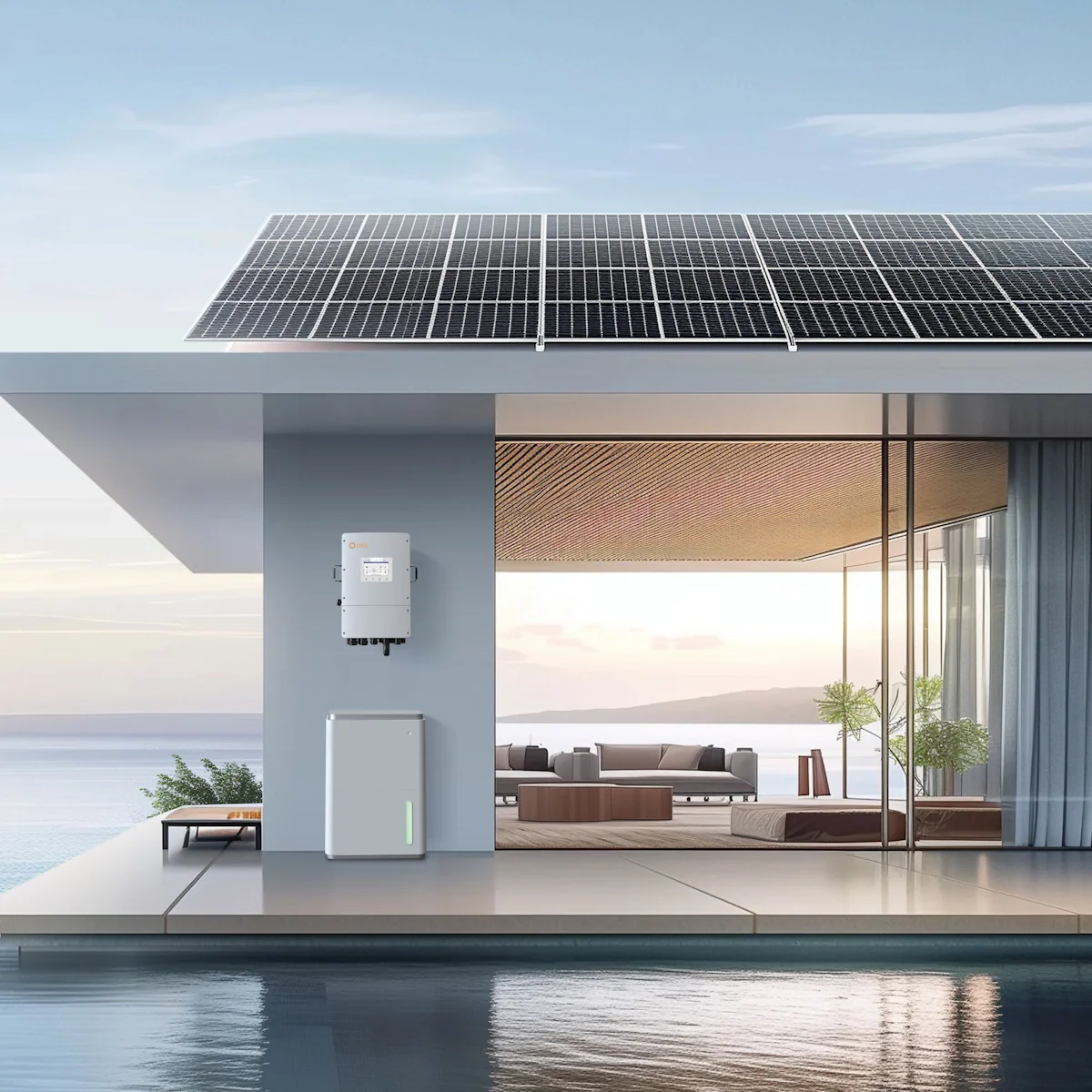
Solis S6 10kW Three Phase Low Voltage Hybrid Inverter S6-EH3P10K-NV-YD-L
Solis S6 10kW Three Phase Low Voltage Hybrid Inverter S6-EH3P10K-NV-YD-L
The Solis S6-EH3P10K-NV-YD-L is a 10kW three-phase, low-voltage (48V) hybrid inverter from the
Solis S6 energy storage range, designed for large residential and light commercial solar-plus-battery systems.
It pairs 2 MPPTs supporting up to 16kW of usable PV input with a high-current 48V battery
interface (up to 220A charge/discharge), compatible with a wide range of lithium and lead-acid battery brands.
Built-in features include dual backup ports, generator compatibility, sub-10ms backup
switching, and support for unbalanced and half-wave loads on both grid and backup circuits.
10kW
Rated AC Output
16kW
Max PV Input
40–60V
Battery Voltage
220A
Max Charge/Discharge
97.6%
Max Efficiency
<10ms
Backup Switch Time
Qualified Installation Required
This is a mains-connected, three-phase hybrid inverter with high DC battery currents. Installation, wiring and commissioning must be carried out by a qualified, competent electrician in accordance with UK wiring regulations and G98/G99 grid connection requirements.
Low Voltage Battery Platform
This is the 48V (40–60V) low-voltage battery variant of the Solis S6 hybrid range — confirm battery compatibility before ordering, as Solis also offers high-voltage S6 inverters that are not interchangeable with 48V battery banks.
Model Naming Note
The part number SOL-S6-EH3P10K-NV-YD-L-UK corresponds to the manufacturer's S6-EH3P10K02-NV-YD-L model, where 'K02' denotes the 2-MPPT configuration; 'NV' indicates the normal (400V) grid voltage variant and 'YD' indicates the display-equipped version.
Dual Backup Ports
Two independent backup outputs allow critical and non-critical loads to be controlled separately, so essential circuits stay powered during an outage while non-essential loads can be shed automatically.
Generator Compatibility
A dedicated generator input extends backup duration during extended grid outages, recharging the battery or directly supporting loads when solar generation and stored energy aren't enough.
High-Current 48V Battery Interface
Supporting up to 220A of charge/discharge current at 40–60V, the inverter can move a full 10kW to and from the battery quickly, making the most of surplus solar generation before it's exported.
200% Overload for 10 Seconds
Off-grid surge handling of double the rated output for 10 seconds supports the inrush demands of motors, pumps and air conditioning compressors without tripping the inverter.
Unbalanced and Half-Wave Load Support
Both the grid and backup outputs can supply unbalanced three-phase and half-wave loads, giving installers flexibility where a property's circuits aren't evenly distributed across phases.
Sub-10ms Backup Switching
A backup switch time of under 10 milliseconds means most sensitive electronics and control equipment ride through a grid outage transition without interruption or reset.
| Input DC (PV Side) | |
| Max. Usable PV Input Power | 16 kW |
| Max. Input Voltage | 1000 V |
| Rated Voltage | 550 V |
| Start-up Voltage | 160 V |
| MPPT Voltage Range | 200 – 850 V |
| Max. Input Current | 40 A / 40 A |
| Max. Short Circuit Current | 50 A / 50 A |
| MPPT Number / Max. Input Strings | 2 / 4 |
| Battery | |
| Battery Type | Li-ion / Lead-acid |
| Battery Voltage Range | 40 – 60 V |
| Max. Charge/Discharge Current | 220 A |
| Communication | CAN / RS485 |
| Output AC (Grid Side) | |
| Rated Output Power | 10 kW |
| Max. Apparent Output Power | 10 kVA |
| Operation Phase | 3/N/PE |
| Rated Grid Voltage | 380V / 400V |
| Rated Grid Frequency | 50 Hz / 60 Hz |
| Rated Grid Output Current | 15.2 A / 14.4 A |
| Max. Output Current | 15.2 A / 14.4 A |
| Power Factor | >0.99 (0.8 leading – 0.8 lagging) |
| THDi | <3% |
| Input AC (Grid Side) | |
| Input Voltage Range | 323 – 460 V |
| Max. Input Current | 22.8 A / 21.7 A |
| Frequency Range | 45–55 Hz / 55–65 Hz |
| Input Generator | |
| Max. Input Power | 10 kW |
| Max. Input Current | 15.2 A |
| Rated Input Voltage | 3/N/PE, 380V / 400V |
| Rated Input Frequency | 50 Hz / 60 Hz |
| Output AC (Backup) | |
| Rated Output Power | 10 kW |
| Max. Apparent Output Power | 2× rated power for 10s |
| Backup Switch Time | <10 ms |
| Rated Output Voltage | 3/N/PE, 380V / 400V |
| Rated Frequency | 50 Hz / 60 Hz |
| Rated Output Current | 15.2 A / 14.4 A |
| Max. Continuous Output Current | 15.2 A |
| Max. Continuous AC Passthrough Current | 50 A |
| THDv (@ linear load) | <3% |
| Efficiency | |
| Max. Efficiency | 97.6% |
| EU Efficiency | 97.0% |
| Protection | |
| Anti-Islanding Protection | Yes |
| Output Over Current Protection | Yes |
| Short Circuit Protection | Yes |
| DC Reverse-Polarity Protection | Yes |
| Surge Protection | Yes |
| General Data | |
| Dimensions (W×H×D) | 430 × 660 × 295 mm |
| Weight | 42 kg |
| Topology | Non-isolated |
| Operating Ambient Temperature | −40 to +60°C |
| Ingress Protection | IP66 |
| Cooling Concept | Intelligent redundant fan-cooling |
| Max. Operating Altitude | 4000 m |
| Safety/EMC Standard | IEC/EN 62109-1/-2, IEC/EN 61000-6-1/-3 |
| Features | |
| DC Connection | MC4 quick connect (PV) & screw terminal (battery) |
| AC Connection | Screw terminal |
| Display | LCD + Bluetooth + APP |
| Communication | CAN, RS485, Ethernet; optional Wi-Fi, cellular, LAN |
$2,627.19
Solis S6 10kW Three Phase Low Voltage Hybrid Inverter S6-EH3P10K-NV-YD-L—
$2,627.19
Product Information
Product Information
Shipping & Returns
Shipping & Returns
Description
The Solis S6-EH3P10K-NV-YD-L is a 10kW three-phase, low-voltage (48V) hybrid inverter from the
Solis S6 energy storage range, designed for large residential and light commercial solar-plus-battery systems.
It pairs 2 MPPTs supporting up to 16kW of usable PV input with a high-current 48V battery
interface (up to 220A charge/discharge), compatible with a wide range of lithium and lead-acid battery brands.
Built-in features include dual backup ports, generator compatibility, sub-10ms backup
switching, and support for unbalanced and half-wave loads on both grid and backup circuits.
10kW
Rated AC Output
16kW
Max PV Input
40–60V
Battery Voltage
220A
Max Charge/Discharge
97.6%
Max Efficiency
<10ms
Backup Switch Time
Qualified Installation Required
This is a mains-connected, three-phase hybrid inverter with high DC battery currents. Installation, wiring and commissioning must be carried out by a qualified, competent electrician in accordance with UK wiring regulations and G98/G99 grid connection requirements.
Low Voltage Battery Platform
This is the 48V (40–60V) low-voltage battery variant of the Solis S6 hybrid range — confirm battery compatibility before ordering, as Solis also offers high-voltage S6 inverters that are not interchangeable with 48V battery banks.
Model Naming Note
The part number SOL-S6-EH3P10K-NV-YD-L-UK corresponds to the manufacturer's S6-EH3P10K02-NV-YD-L model, where 'K02' denotes the 2-MPPT configuration; 'NV' indicates the normal (400V) grid voltage variant and 'YD' indicates the display-equipped version.
Dual Backup Ports
Two independent backup outputs allow critical and non-critical loads to be controlled separately, so essential circuits stay powered during an outage while non-essential loads can be shed automatically.
Generator Compatibility
A dedicated generator input extends backup duration during extended grid outages, recharging the battery or directly supporting loads when solar generation and stored energy aren't enough.
High-Current 48V Battery Interface
Supporting up to 220A of charge/discharge current at 40–60V, the inverter can move a full 10kW to and from the battery quickly, making the most of surplus solar generation before it's exported.
200% Overload for 10 Seconds
Off-grid surge handling of double the rated output for 10 seconds supports the inrush demands of motors, pumps and air conditioning compressors without tripping the inverter.
Unbalanced and Half-Wave Load Support
Both the grid and backup outputs can supply unbalanced three-phase and half-wave loads, giving installers flexibility where a property's circuits aren't evenly distributed across phases.
Sub-10ms Backup Switching
A backup switch time of under 10 milliseconds means most sensitive electronics and control equipment ride through a grid outage transition without interruption or reset.
| Input DC (PV Side) | |
| Max. Usable PV Input Power | 16 kW |
| Max. Input Voltage | 1000 V |
| Rated Voltage | 550 V |
| Start-up Voltage | 160 V |
| MPPT Voltage Range | 200 – 850 V |
| Max. Input Current | 40 A / 40 A |
| Max. Short Circuit Current | 50 A / 50 A |
| MPPT Number / Max. Input Strings | 2 / 4 |
| Battery | |
| Battery Type | Li-ion / Lead-acid |
| Battery Voltage Range | 40 – 60 V |
| Max. Charge/Discharge Current | 220 A |
| Communication | CAN / RS485 |
| Output AC (Grid Side) | |
| Rated Output Power | 10 kW |
| Max. Apparent Output Power | 10 kVA |
| Operation Phase | 3/N/PE |
| Rated Grid Voltage | 380V / 400V |
| Rated Grid Frequency | 50 Hz / 60 Hz |
| Rated Grid Output Current | 15.2 A / 14.4 A |
| Max. Output Current | 15.2 A / 14.4 A |
| Power Factor | >0.99 (0.8 leading – 0.8 lagging) |
| THDi | <3% |
| Input AC (Grid Side) | |
| Input Voltage Range | 323 – 460 V |
| Max. Input Current | 22.8 A / 21.7 A |
| Frequency Range | 45–55 Hz / 55–65 Hz |
| Input Generator | |
| Max. Input Power | 10 kW |
| Max. Input Current | 15.2 A |
| Rated Input Voltage | 3/N/PE, 380V / 400V |
| Rated Input Frequency | 50 Hz / 60 Hz |
| Output AC (Backup) | |
| Rated Output Power | 10 kW |
| Max. Apparent Output Power | 2× rated power for 10s |
| Backup Switch Time | <10 ms |
| Rated Output Voltage | 3/N/PE, 380V / 400V |
| Rated Frequency | 50 Hz / 60 Hz |
| Rated Output Current | 15.2 A / 14.4 A |
| Max. Continuous Output Current | 15.2 A |
| Max. Continuous AC Passthrough Current | 50 A |
| THDv (@ linear load) | <3% |
| Efficiency | |
| Max. Efficiency | 97.6% |
| EU Efficiency | 97.0% |
| Protection | |
| Anti-Islanding Protection | Yes |
| Output Over Current Protection | Yes |
| Short Circuit Protection | Yes |
| DC Reverse-Polarity Protection | Yes |
| Surge Protection | Yes |
| General Data | |
| Dimensions (W×H×D) | 430 × 660 × 295 mm |
| Weight | 42 kg |
| Topology | Non-isolated |
| Operating Ambient Temperature | −40 to +60°C |
| Ingress Protection | IP66 |
| Cooling Concept | Intelligent redundant fan-cooling |
| Max. Operating Altitude | 4000 m |
| Safety/EMC Standard | IEC/EN 62109-1/-2, IEC/EN 61000-6-1/-3 |
| Features | |
| DC Connection | MC4 quick connect (PV) & screw terminal (battery) |
| AC Connection | Screw terminal |
| Display | LCD + Bluetooth + APP |
| Communication | CAN, RS485, Ethernet; optional Wi-Fi, cellular, LAN |